

My favorite mission outside the Sisters of Providence of Saint Mary-of-the-Woods, Indiana, took place in Taichung City, Taiwan.
It was there that I encountered a vibrant community of Filipinos – often affectionately called Pinoys and Pinays (colloquial terms for Filipinxs of specific gender identities) – who represent the second-largest group of domestic workers on the island. The largest group comes from Indonesia, followed by Vietnam.
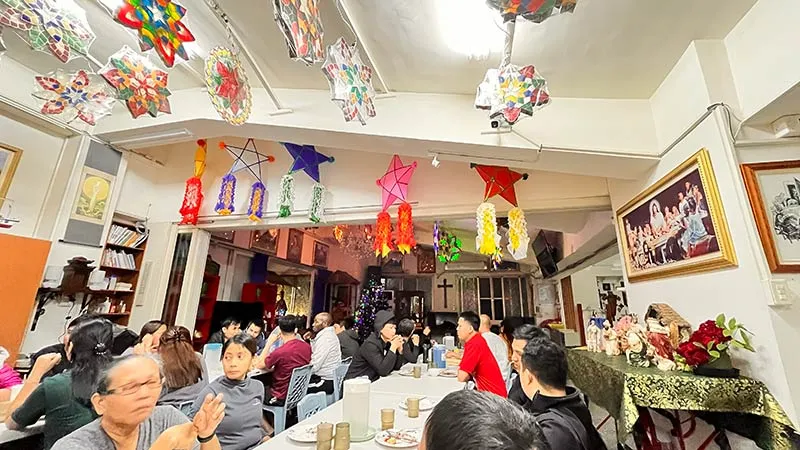
In the midst of this diverse migrant population stands Ugnayan Center in Taichung, which translates to “community” or “relationship” in Tagalog. It’s a church where migrant workers can shelter in place to pray, to rest and to feel like they belong.
More than 20 years ago, this mission was founded by Father Joyalito “Joy” Tajonera, a Maryknoll priest who saw the urgent need for spiritual care and support among migrant workers far from home.
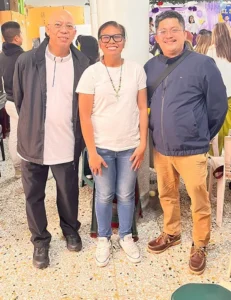
My ministerial internship at Ugnayan Church was one of the most transformative experiences of my time in Taiwan. Through stories shared in quiet conversations, over meals, and in prayer, I gained a deeper understanding of the complex realities shaping migration from the Philippines.
I saw more clearly the corruption and structural inequalities that continue to push many Filipinxs to leave their motherland in search of opportunities. I had witnessed resilience, courage and deep faith among those who undertake this journey in a new and deeper way.
As a bilingual, second-generation Filipina American, these experiences profoundly resonated with me. Since grade school, I have traveled to the Philippines with my parents and maternal grandparents. Those visits connected me to my roots, and my interactions with migrant workers broadened and deepened my understanding of what it means to identify with and belong to a global Filipinx community. Their sacrifices revealed the quiet strength that supports many families in the diaspora.
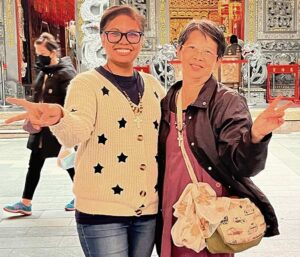
At the same time, I gained a new appreciation for Taiwan. I discovered an island that, despite its own challenges, continues to open its doors to migrant workers seeking stability and hope for their families.
Many of these jobs involved physically demanding work and wages that are low by international standards. Yet, the island provides something essential: The ability for migrant workers to send money home, educate children within their immediate and extended families and support loved ones across the sea.
My global ministerial experience with migrants has deepened my understanding not only of my Filipina roots but also of Taiwanese culture. What moved me most was the way many Taiwanese people practice dignity in action.
In moments of vulnerability – when a migrant worker faces advanced cancer, or when someone has been terminated or forced to resign – communities and institutions often step forward to ensure that care continues. Access to medical services and compassionate accompaniment becomes part of a larger commitment to human dignity.
Through this experience, I learned that ministry is not only about service; it is about relationships. At Ugnayan, faith is lived through presence, solidarity and the simple act of recognizing one another’s humanity.
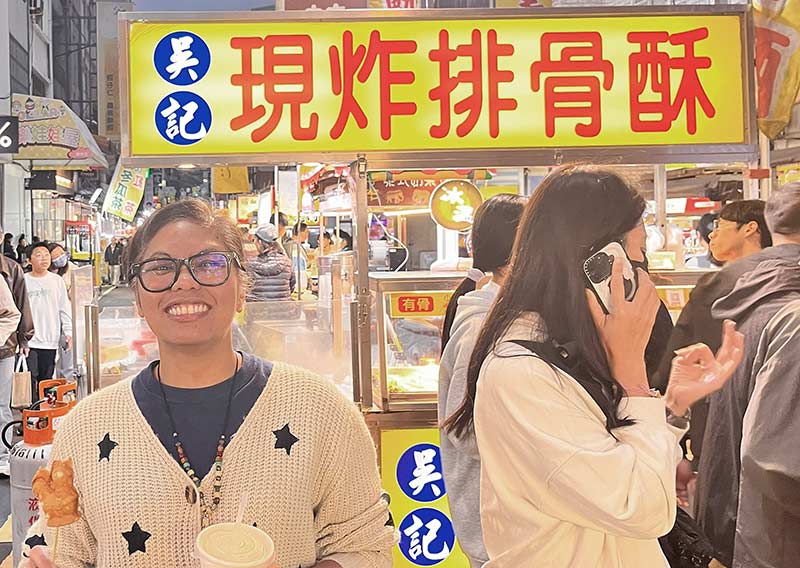
In that sacred space, far from home yet deeply connected to it, I witnessed the Gospel alive in the lives of migrant workers who continue to labor, love and hope for a better future for their families.
The experience strengthened my calling to walk alongside migrants with humility and compassion. It reminded me that community can be built across languages, cultures and borders – and that in those encounters, we often learn more about ourselves.
To discover who I am in relation to my Beloved Divine, who calls me to serve and be.


What a beautiful experience, Jessica! I am so glad you shared it. It helps to lighten our day knowing there are communities who show compassion and caring to migrants in their midst. Thank you!