Missing and Murdered Indigenous Women

Note: The following piece was co-authored by Providence Associates Jane Fischer and Suzie Ray for the JUSTus 26th Podcast Episode.
“I think America and the world … needs a shift to these practices and value systems that are all inclusive: earth, water, and knowledge led by the heart. This is how we change. This is how we help our women become empowered, become a part of our community again. We are the strongest despite our silence. Do not mistake that for passiveness, being weak, or being unintelligent. We are simply being respectful.” — Marla Mahkimetas of the Kaeyas Mamaceqtaw territory
According to the United Nations, more than 476 million Indigenous people live in 90 countries across our global society. That is 6.2 percent of the global population. Of those, there are more than 5,000 distinct groups. Indigenous people speak an overwhelming majority of the world’s estimated 7,000 languages.
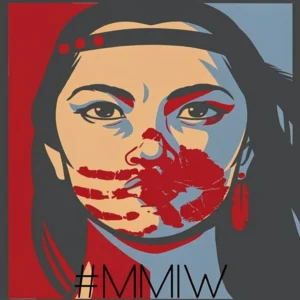
They are nearly three times as likely to be living in extreme poverty compared to their non-Indigenous counterparts. It is challenging to share information both within these groups and between them.
Indigenous women face disproportionately high rates of violence due to a combination of historical colonization, systemic marginalization, and legal jurisdictional gaps. Root causes include intergenerational trauma from residential schools, intense poverty, high rates of human trafficking, and a lack of accountability for non-Indigenous offenders on tribal lands.
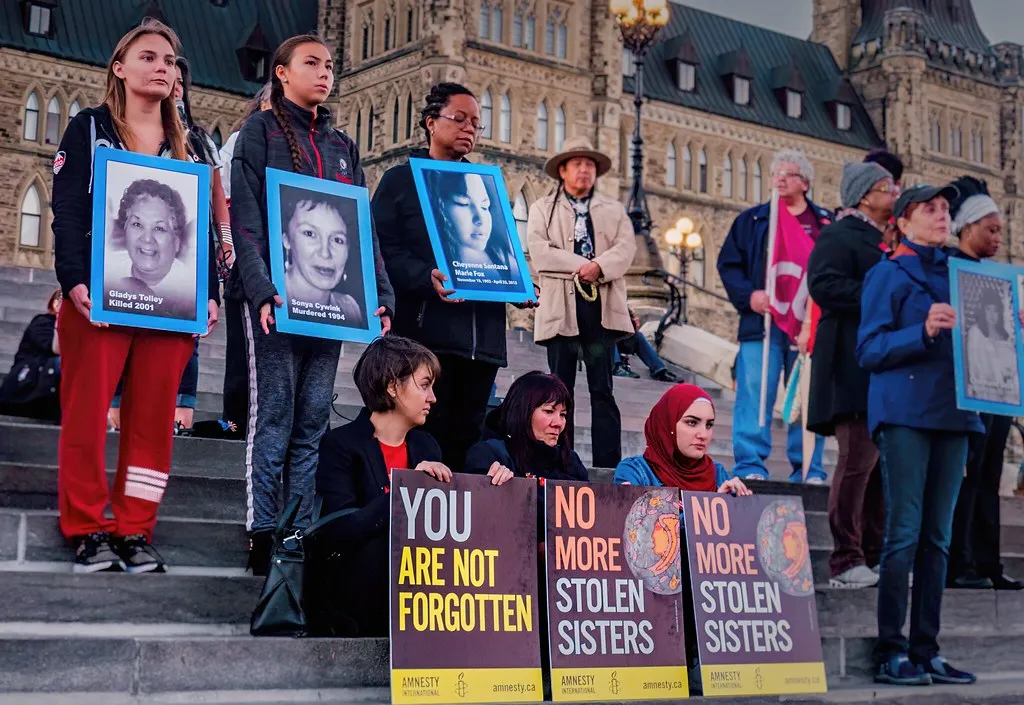
Key factors contributing to this crisis include:
- Colonial Legacy & Systemic Racism: The crisis is rooted in centuries of colonial policies — including forced removal and violence — that targeted Indigenous women specifically to break down social structures.
- Jurisdictional Complexity: Complex jurisdictional systems (tribal, federal, and state) often fail to prosecute crimes committed against Indigenous women, particularly when the perpetrator is non-Indigenous, creating a culture of impunity.
- Extreme Socioeconomic Factors: High rates of poverty, homelessness, and systemic underfunding of resources in remote communities increase vulnerability to violence and trafficking.
- Systemic Negligence & Data Inadequacy: Inadequate data collection and underreporting, often due to a lack of trust in law enforcement, keep the true extent of the crisis hidden and under-investigated.
- Intergenerational Trauma: Historical violence, including abuse in boarding/residential schools, has created cycles of trauma and violence within communities.
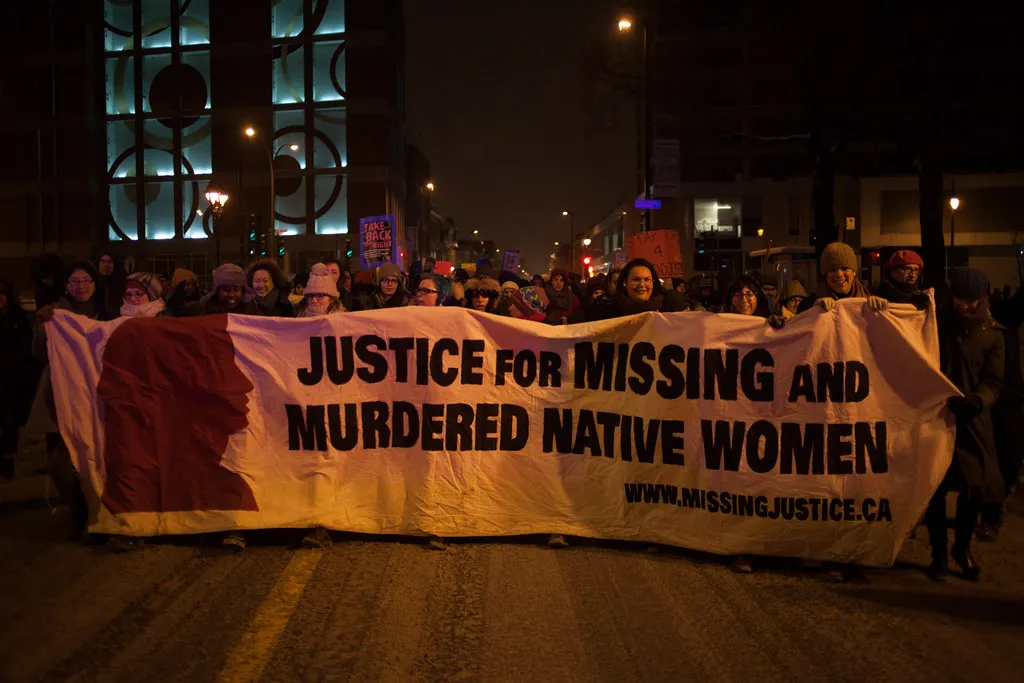
Key Statistics in the United States:
- Lifetime Violence: 84.3 percent of Indigenous women have experienced violence; 56.1 percent of that number also have experienced sexual violence.
- Murder Rate: Indigenous women are 1.7 times more likely to experience violence in the past year compared to white women. Some areas show murder rates 10 times the national average.
- Perpetrators: Over 67 percent of assaults are committed by non-Indigenous persons.
- Missing Status: 19 percent of cases have an unknown status.
- High-Risk Locations: New Mexico, Washington State, Arizona, Alaska, and Montana have the highest number of cases.
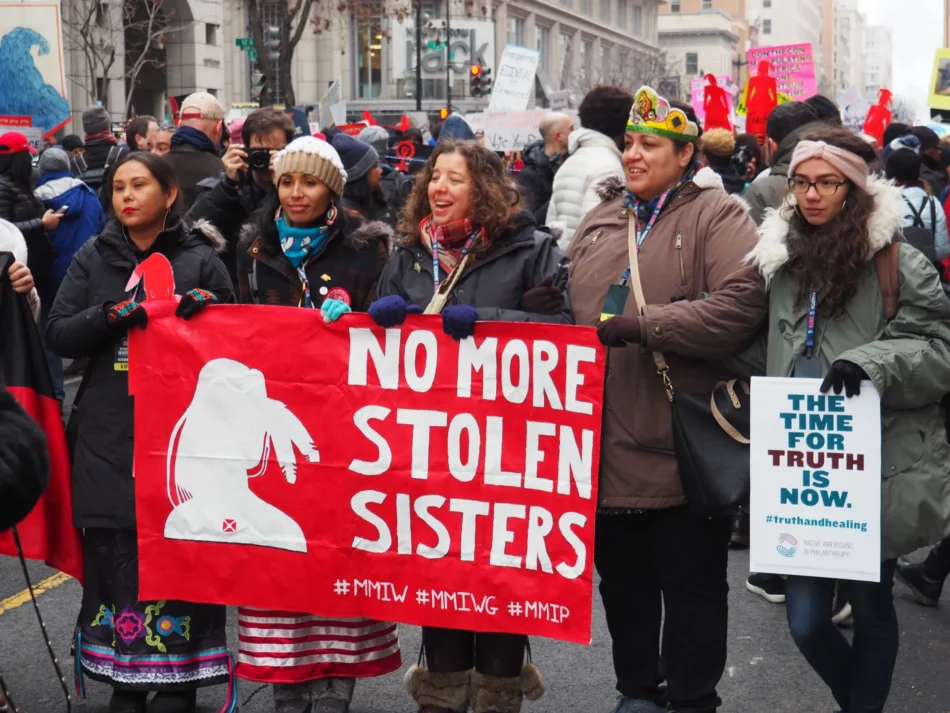
There are local, national, and international movements to keep this issue in front of us and to educate all of us. In 2014 – that’s 12 years ago – Myrna Cunningham, President of the United Nations’ Permanent Forum on Indigenous Issues, said “We need to strengthen women’s self-esteem and make them feel valued for their identity and culture …. Indigenous communities have a different concept of wealth than non-Indigenous peoples. They do not understand wealth as the accumulation of money, but see wealth as a harmonious relationship with nature and having the resources to survive.”
Phumzile Mlambo-Ngcuka, the former United Nations Under-Secretary-General and Executive Director of UN Women (2013–2021), has been a prominent advocate for addressing the systemic issues that contribute to low self-esteem and marginalization among Indigenous women.
She wrote this in October 2013: “Indigenous women’s organizations and individuals came together with UN Women and other partners in Lima, Peru, to adopt the Lima Position and Plan of Action. It calls for urgent, concerted efforts to address challenges facing Indigenous women in many parts of the world: persistent violence, poverty, discrimination, racism, and limited access to services and productive resources.
The plan of action also calls for Indigenous women’s full and equal participation in decision-making at all levels.” Mlambo-Ngcuka recognizes that low self-esteem and marginalization are directly impacted by the five areas stated above –
“Not knowing who you are, at any age causes internal despair, and this can lead to a variety of problems for individuals and for the community. These were unanimous concerns shared by the elder group identified that met at Turtle Mountain College.
The ultimate goal is the promotion of a balanced life with each other and nature. Mino-bimaadiziwin is an Anishinaabemowin (Ojibwe) phrase translating to “the good life” or “living in a good way.” It represents a holistic, balanced life in harmony with oneself, the community, and nature. Rooted in Indigenous values, it emphasizes collective well-being, spiritual connection, and acting with wisdom, love, and respect.
The month of May is recognized as a major advocacy month for Missing and Murdered Indigenous People (MMIP/MMIW), with May 5 designated as the National Day of Awareness for Missing and Murdered Indigenous Women and Girls.
Throughout this month, awareness is raised regarding disproportionate violence against Indigenous peoples and communities. Be someone who will help lead to solving these crimes and raising respect for Indigenous women everywhere.
Follow this link for an image and ideas of what you can do that day!
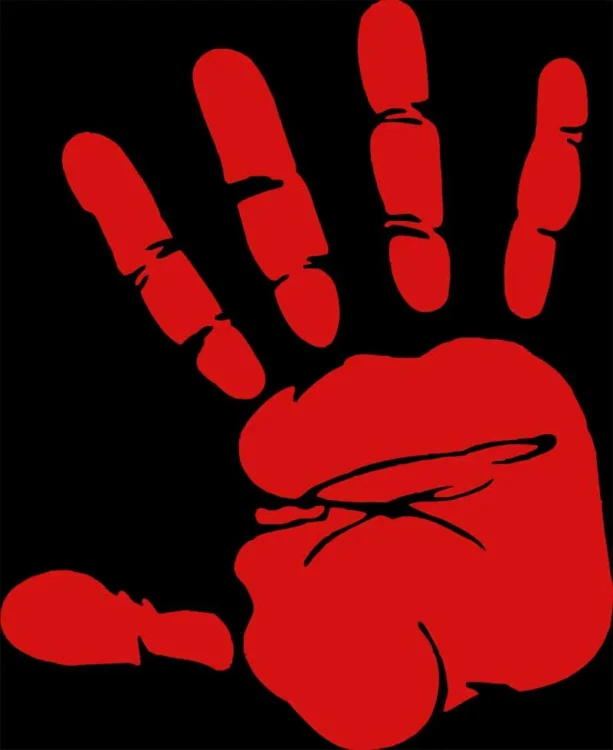
May 5 is dedicated to seeking justice for missing and murdered Native American, Alaska Native, and First Nations women and girls, who suffer from violence at disproportionately high rates. Established to honor Hanna Harris, a 21-year-old member of the Northern Cheyenne Tribe, Hanna Harris was murdered in 2013.
Supporters are asked to wear red clothing or display red dresses, inspired by the Red Dress Project created by artist Jamie Black. This project symbolizes the missing and murdered women and girls. The day serves as a call to action for law enforcement and advocates for policy changes to address this ongoing crisis.
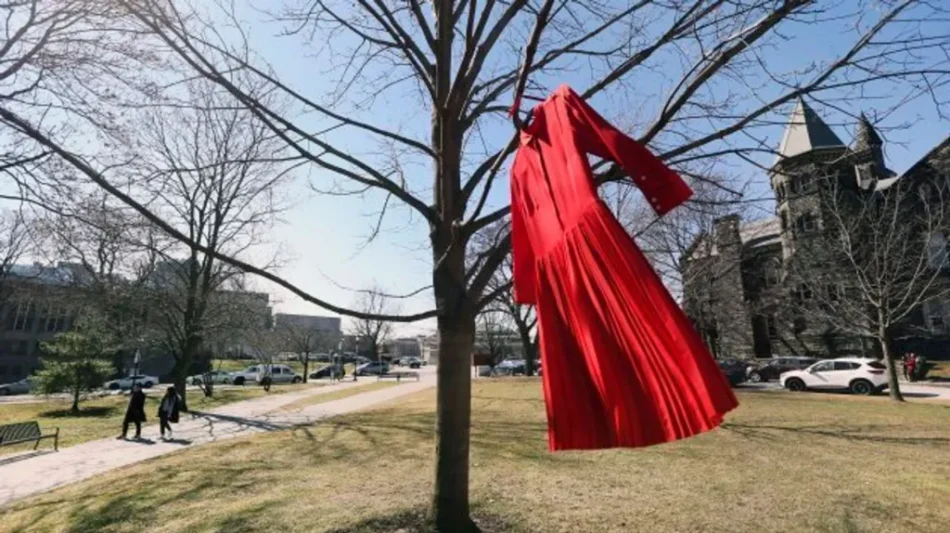
Actionable Ways to Support Red Dress Day:
- Wear Red: Show solidarity on May 5,
- Use social media hashtags like #MMIW, #MMIWG, #NoMoreStolenSisters or #MMIP to raise awareness,
- Participate in local, community-organized vigils or walks, or
- Learn more about the statistics, such as 4 out of 5 Native women experience violence (VA.gov).
Call to Action
- Tell your family and friends about May 5 and participate yourself. Talk with your organizations.
- Form coalitions to help teach “nurture”; how to be compassionate
- Organize or attend vigils and prayer circles in your community to show solidarity
- Write a Letter to the Editor (LTE) about Red Dress Day, or better yet, MMIW. To get published, keep it short and to the point. Use short words. (Indigenous is an exception.) If you want someone to review your LTE, send it to janefischer@comcast.net
- Raise Awareness: Use #MMIWG on social media to highlight the crisis.
- Support Advocacy: Support the National Indigenous Women’s Resource Center (NIWRC), which advocates for strengthening tribal sovereignty to protect Native women.
- Report & Support: If you have information or need help, contact the StrongHearts Native Helpline (1-844-762-8483) or National Human Trafficking Hotline (1-888-373-7888). Other resources include: National Indigenous Women’s Resource Center: 1-855-649-7299 and Coalition to Stop Violence against Native Women: 1-505-243-9199
- Legislative Action: Support the implementation of the Savanna’s Act and the Not Invisible Act, which aim to improve data collection and combat violence. Download the Fact Sheet here: https://www.niwrc.org/resources/fact-sheet/savannas-act
Videos about Indigenous Women
Indigenous People Terminology Guide: Click here.