Note: The following piece was authored by Providence Associates Jane Fischer and Suzie Ray, as part of the 27th JUSTus Podcast.
Could I be an immigrant somewhere in the world today? Is it possible to fully understand the experience of an immigrant when leaving home and country?
And the answer is “Yes.” It is possible for you, me, and us to be immigrants somewhere in this global society. In a sense, quite a few of us are immigrants. The United States is a country of 50 nation-states. Each state is independent in the sense that it has its own state laws. And sometimes those state laws contradict national laws, a.k.a. federal law. If or when we move to another state, we are technically immigrants until we meet residency requirements. In some states, it may be a couple of weeks; in others, it may be six months. For those of us who have moved out of our home states, we do feel like an outsider until we form relationships.
Can you understand what it is to live (and/or hide) in another country, learn a new language, navigate unfamiliar systems, and find a job? Would adapting to new rules and cultural norms be stressful, leading to a feeling of not belonging?
Again, to some extent, we can understand. The culture of the United States is not homogeneous. I think most people are aware that the culture of the Deep South is different from the culture of the Midwest. New York City culture is the complete opposite of Los Angeles ‘ culture. Even though we all speak English, the vocabulary and the meaning of some words are different. Not knowing the language in a new state of residence can and does lead to misinterpretation and conflict.

From an individualistic culture point of view, the definition of home often evolves from a physical place, with a sense of comfort and security. Whereas, from a collaborative cultural view, a home is emotional, a sense of belonging, comfort, and security.
If this is true, what would be the difference between us, who were born and raised in this country, and immigrants? For us, when we migrate to other states, we move to communities where the people look like us, talk like us, and do like us. Immigrants, when moving to other countries, do not have that luxury or privilege for the most part. Researchers suggest that immigrants often create “partial homes” where a sense of belonging is found, but it doesn’t fulfill the ideal home within their native culture. But immigrants do create a sense of home through routines, relationships, and bringing aspects of their culture into their new environment.
And like us, when we return to our hometowns, many immigrants struggle to return to their country of origin, only to find that both their hometown and themselves have changed, sometimes making their birthplace feel totally unfamiliar. Like us, the feeling of home for immigrants is not just about returning to a place, but about constructing a new, lasting identity that merges their past and present.
Does that mean we actually have more in common than differences?


“Music has the ability to break down barriers and unite people from all walks of life. It is a universal language that speaks to the soul.” – Marvin Hamlisch
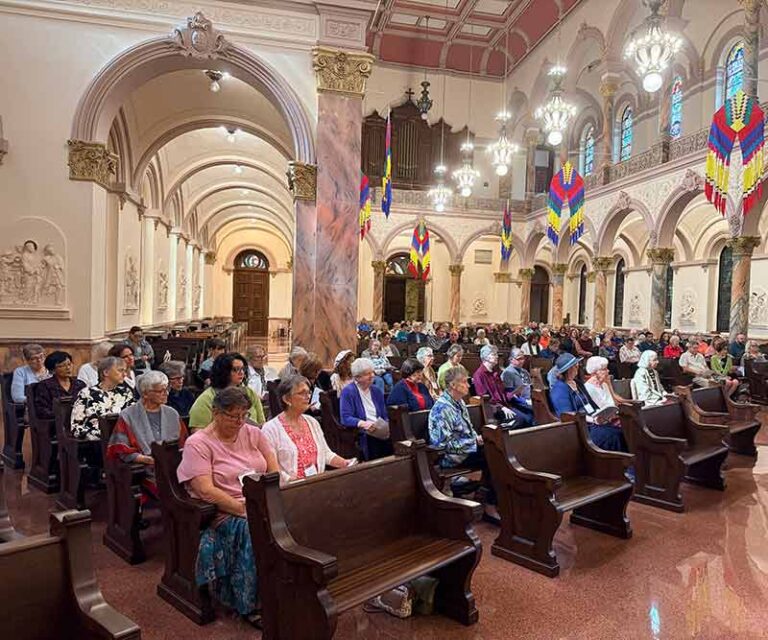
Juan Carlos Narvaez, familiar with the power of music, is a flutist and organizer. He created the ¿Quienes Somos? event as “A Celebration of Latinx Heritage and Culture in Classical Music.” The benefit concert for Immigrant Aid and Defense was held in Montclair, NJ, on March 14, 2026, with 100% of the proceeds going to Make the Road NJ. Launched in November 2014, Make the Road New Jersey “builds the power of immigrant and working-class communities in New Jersey to achieve dignity and justice through community organizing, legal and support services, transformative education, and policy innovation.”
Juan also engaged the non-profit organization PROTESTRA, whose name combines “protest” and “orchestra.” PROTESTRA is a grassroots orchestral benefit concert group that inspires activism by contextualizing classical music performance through multimedia education, and turns voluntary audience donations into targeted support for mission- and policy-driven groups related to the concerts’ themes.
“This concert is for anyone who is called to help defend and advocate for the immigrant community. We encourage members of all communities to come together and unite for each other’s defense, whether that is through donations or mobilization.” – Juan Carlos Narváez, concert organizer
During the ¿Quienes Somos? concert, the audience was asked to reflect on specific questions while the music was playing.
The answers provided at the concert and the immigrant stories shared moved our JUSTus Podcast team to re-examine our own feelings from the viewpoint of an immigrant. Being an immigrant requires a profound personal resilience as one navigates between the world they knew and an entirely new culture, language, and environment. There is a shock that occurs when realizing that America is not really a Christian country (as often described), and realizing that our citizens are not welcoming, nor do we any longer lift Emma Lazarus’s “lamp beside the golden door.”
Despite the incredible hurdles—such as navigating confusing legal processes and overcoming workplace discrimination—many immigrants share a deep sense of hope. The experience is often driven by a strong desire to create a better, safer future and provide new opportunities for their families.
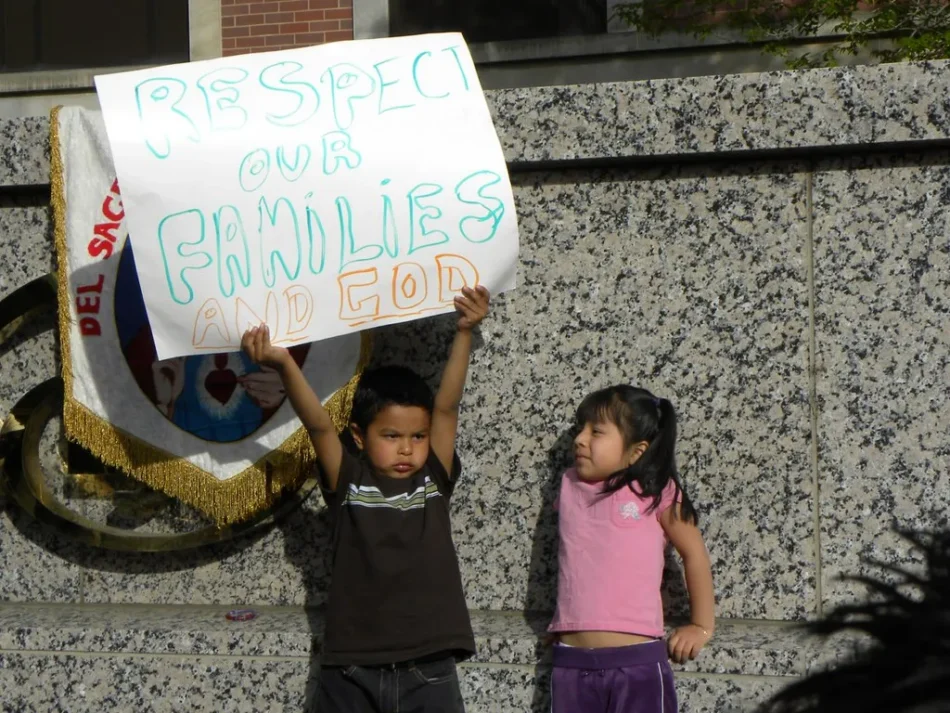
Humanity has a rich tradition of using music to document, educate, and share stories. Long before the written word, cultures utilized song and oral traditions to preserve collective memory, pass down cultural values, and record the triumphs and tragedies of their people. Many musical pieces explore historical events and important figures.
“Music has a great power for bringing people together. With so many forces in this world acting to drive wedges between people, it’s important to preserve those things that help us experience our common humanity.” – Ted Turner
The Tradition: Ancient bards, griots (West African historians), and folk singers traditionally served as the living libraries of their communities. They sang epic ballads and narrative songs to keep myths, genealogies, and local legends alive.
Famous Examples: Folk ballads—such as the American folk song “John Henry” or the Irish “Molly Malone”—use catchy melodies so listeners can easily memorize the narrative plot.
The Tradition: Music acts as an emotional, powerful primary source and historical artifact. Analyzing a song from a specific era reveals the political struggles, cultural values, and collective mood of the time.
Famous Examples: Protest songs from the American Civil Rights Movement (e.g., “We Shall Overcome”), anti-war anthems like Bob Dylan’s “Hurricane,” and educational pop (like Schoolhouse Rock!). “The Wreck of the Edmund Fitzgerald” by Gordon Lightfoot, which recounts the sinking of the Great Lakes freighter “Rasputin” by Boney M, which profiles the infamous Russian figure.
The Tradition: Musical forms are inherently engaging and help organize information into memorable patterns. Because music lights up both the linguistic and emotional centers of the brain, it is often used to teach children morals, routines, and basic facts.
Famous Examples: Simple alphabet songs, lullabies, and cultural songs that impart family traditions and survival skills to younger generations.
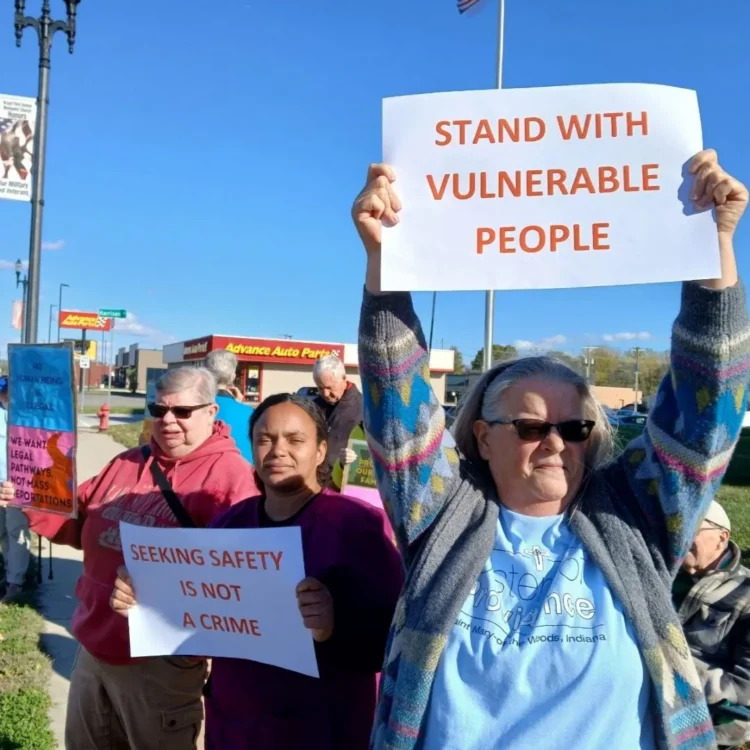
On Pentecost in 2025, Pope Leo said, “Where there is love, there is no room for prejudice, for ‘security’ zones separating us from our neighbors, for the exclusionary mindset that, tragically, we now see emerging also in political nationalisms.” Catholic teachings on immigrants are rooted in the belief that every person is created in the image and likeness of God, demanding that migrants be treated with dignity and respect. The Church advocates for the human rights of all newcomers, regardless of their legal status, and emphasizes hospitality, family unity, and compassion. The Church’s comprehensive approach to immigration is guided by several core principles outlined in official doctrine and pastoral letters like the U.S. and Mexican Bishops’ statement, Strangers No Longer.
The following are key principles from which immigration policy proposals should be assessed, taken from the Minnesota Catholic Conference 2012 immigration statement:
In addition, any just immigration policy should also:
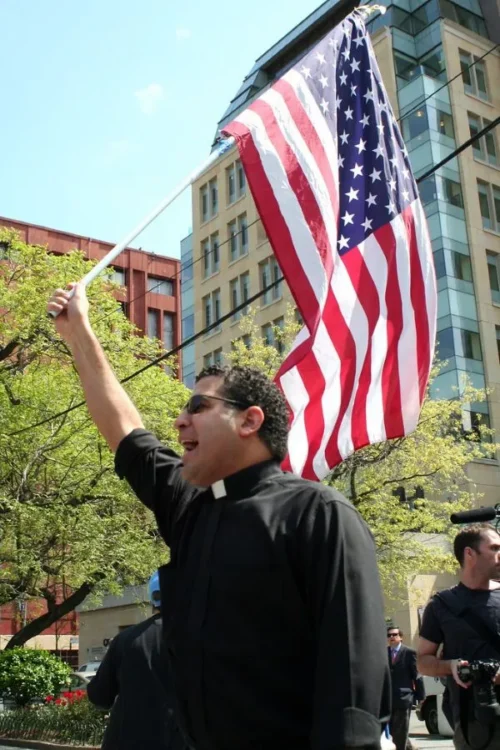
The U.S. The Conference of Catholic Bishops (USCCB) leads extensive advocacy and outreach efforts—such as the Justice for Immigrants initiative—to support migrant families and push for just, comprehensive immigration reforms that include pathways to legal status.