

Join us anytime for this reflective, year-long reading and discussion of the “Journals and Letters” of Saint Mother Theodore Guerin. (You can find the book here and buy the digital download here.) Follow along as you read with our weekly reflections from 2020-21. Enjoy some time with Saint Mother Theodore.

Today we are discussing “Journals and Letters” page 236 to page 244. In this chapter we’ve regressed to some months before the striking crisis at the residence of Bishop de la Hailandière when Mother Theodore was released from her vows, sent away from the diocese and forbidden contact with her Sisters – that all happened…

In these letters we read Mother Theodore’s first-hand account of all the changes that happened toward the end of Bishop de la Hailandière’s tenure as Bishop of Vincennes.
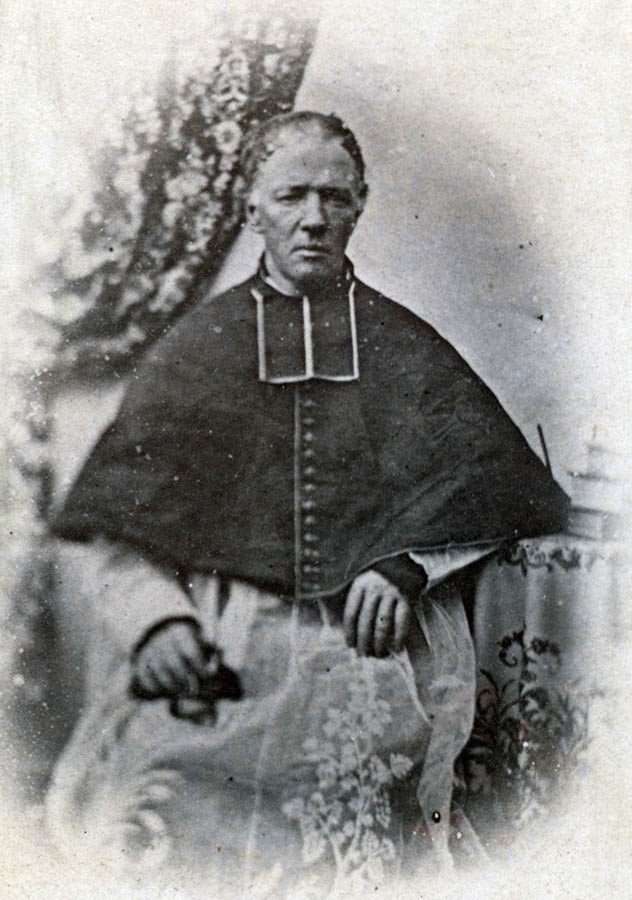

So impressed with the holiness of the bishop’s death, she reminds the sisters, “Especially let us never forget that if we wish to die like the Saints, we must live like them.”

Judging from her letters to Sister Basilide, Mother Theodore had a special love for “this good and dear” sister. That love demonstrated itself in Mother Theodore’s words of caution, gentle criticism and frank admonishments — always accompanied by words of affection and encouragement.
Parenthood is one of the most beautiful yet often heartbreaking jobs on the planet. And regardless of the fact that these were not her biological children, Mother Theodore experienced both the joy and pain that all mothers and parents feel.
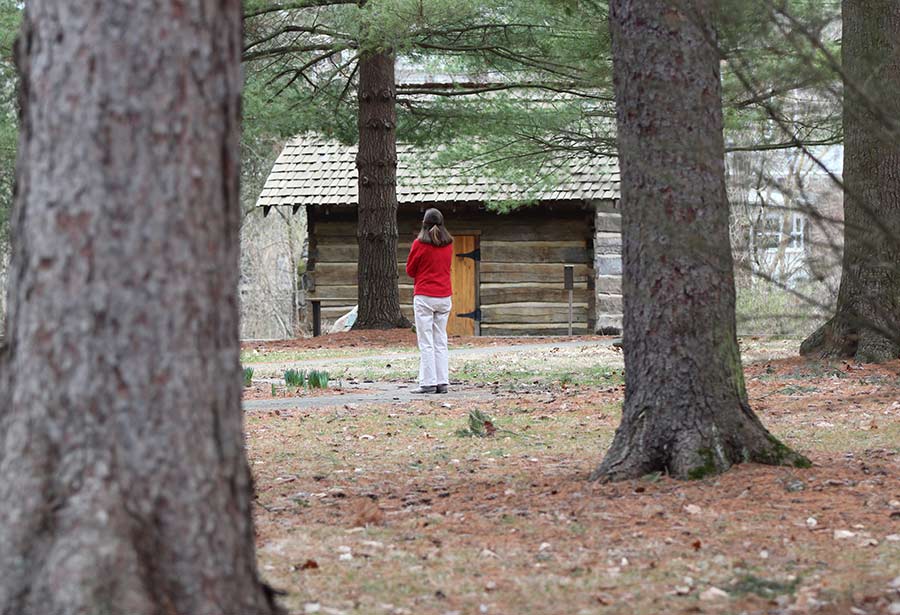
In caring for the sick Mother Theodore and her sisters were not deterred by differences in creed or heritage or race.

Things seem to have settled down a bit for Mother Theodore. Now she must deal with the ordinary frustrations of daily life.

Sister Denise Wilkinson, SP, lists the top reasons why she believes Mother Theodore might have been feeling overwhelmed and a bit crabby.
Here “loving the right way” offers sympathy, speaks of affection and admiration for Mme’s daughter, and ends by offering both a smile (even a laugh) and assurance of prayers.
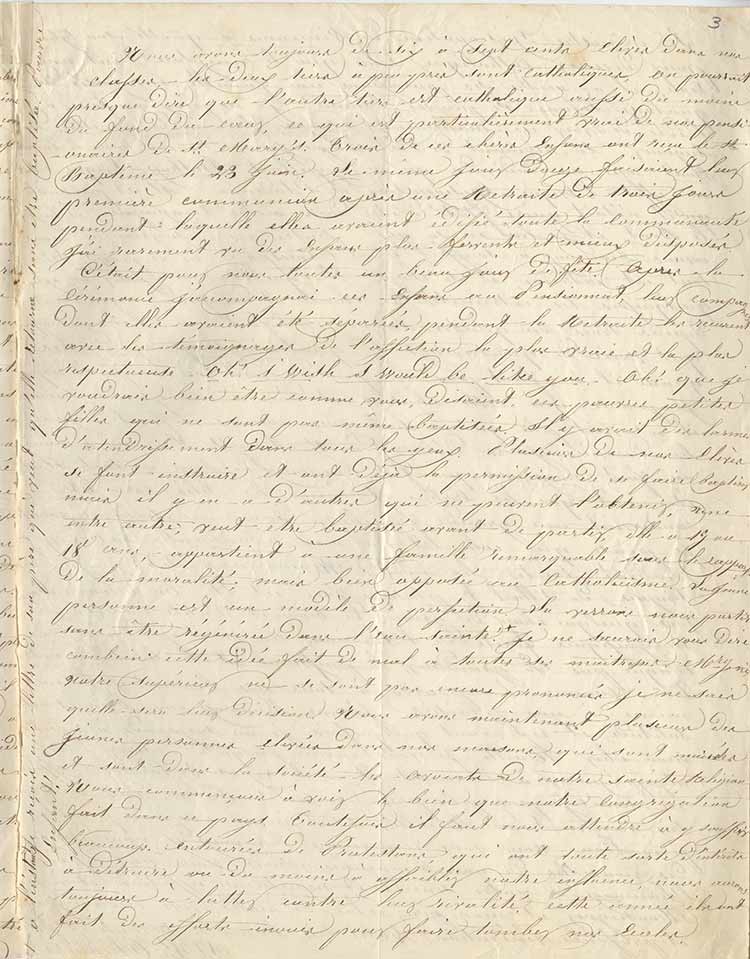

Mother Theodore’s letter to Bishop Bouvier struck me as a type of prayer. It included praise of Providence, thanksgiving for favors received, petitions of need and a prayer of lamentation. She acknowledges those whose spirituality and actions were Providence for the Saint Mary-of-the-Woods community.

Mother Theodore invites them to consider, “might you be the cause of another’s fault? Are you wanting in foresight or wisdom, gentleness or charity?” And so often, isn’t it true, that we ourselves can be our own worst enemy?
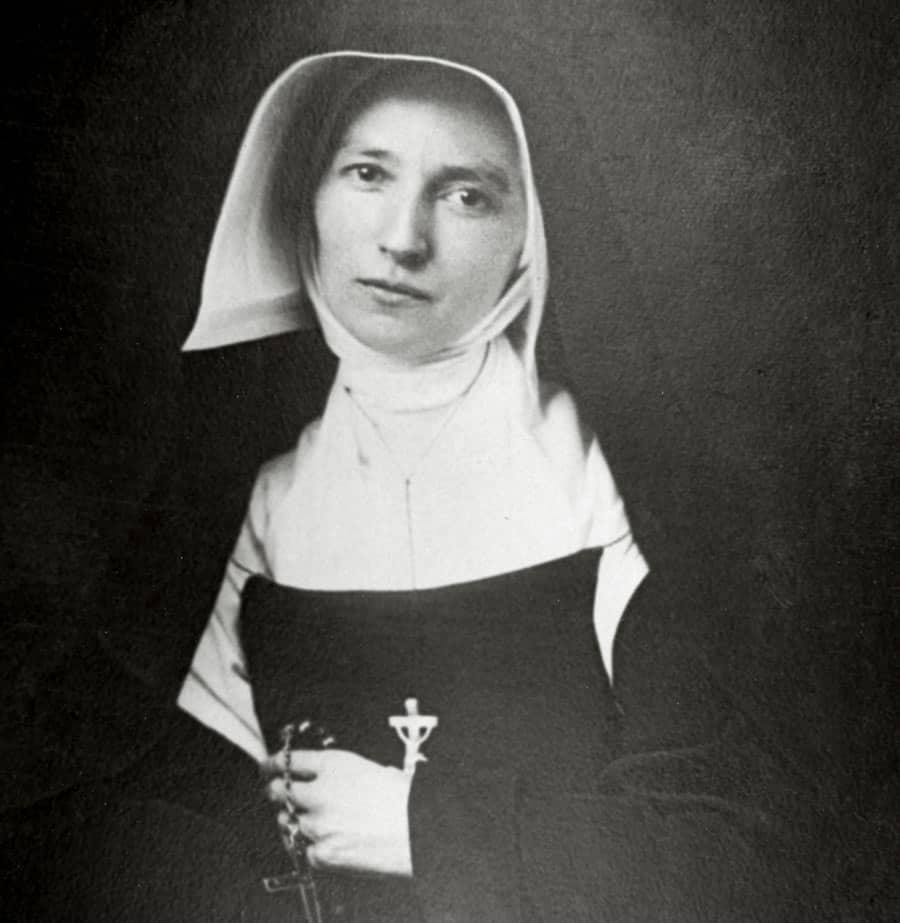
We get only a few glimpses of Sister St. Francis Xavier in what we’ve read. But they hint at her character and her friendship with Mother Theodore.